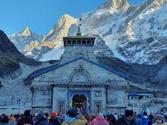
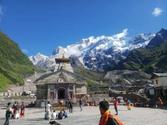
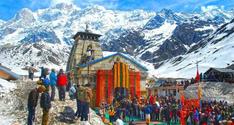
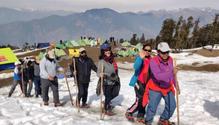
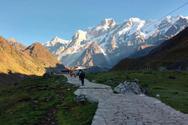
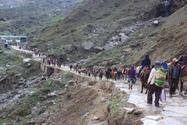
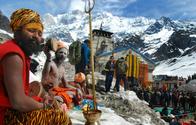
Char Dham Yatra 2026 image
Uttarakhand's Iconic

Char Dham Yatra 2026

By: TripSari

Char Dham Yatra 2026 Highlights

  • Duration: 9 Days / 8 Nights
  • Start Date: 19 April 2026
  • Mode of Transportation: Car / Traveller / Urbania / Bus / Helicopter
  • Main Temples: Yamunotri, Gangotri, Kedarnath, Badrinath
  • Other Religious Sites: Triyogi Narayan Temple, Ukhimath, Jyotirmath, Bhavishya Kedar, Dhara Devi Temple
  • Key Attractions: Harshil Valley, Surya Kund, Gori Kund, Tap Kund, Mana Village, Panch Prayag (Vishnu Prayag, Nandprayag, Karanprayag, Rudraprayag, Devprayag), Rishikesh

Char Dham Yatra 2026 Overview

The Char Dham Yatra 2026 is one of the most significant spiritual journeys in India, involving four sacred shrines in the Himalayas: Yamunotri, Gangotri, Kedarnath, and Badrinath.

Important Dates for Char Dham Yatra 2026

The Yatra traditionally begins on the auspicious day of Akshaya Tritiya and the closing dates are traditionally decided based on the Hindu lunar calendar and are usually announced officially on the day of Vijayadashami (Dussehra). Here is the temple-wise schedule for 2026 Yatra:
TempleOpening DateClosing Date (Tentative)
Yamunotri19 April 202609 Nov 2026
Gangotri19 April 202611 Nov 2026
Kedarnath22 April 202611 Nov 2026
Badrinath23 April 202613 Nov 2026

Mandatory Registration Process

The Uttarakhand government has made registration compulsory for all pilgrims. You will not be allowed past certain checkpoints (like Sonprayag or Janki Chatti) without a valid Yatra Permit.
  1. Online Registration (Recommended):
    • Official Website: Visit registrationandtouristcare.uk.gov.in.
    • Mobile App: Download the 'Tourist Care Uttarakhand' app (available on Android and iOS).
    • WhatsApp: Simply send 'Yatra Registration' to +91-8006888600 to start the process via chat.
  2. Offline Registration:
    For those unable to register online, physical counters will open on April 17, 2026. These are located at:
    • Rishikesh (Transit Camp)
    • Haridwar (Rishikul Ground)
    • Dehradun (Vikasnagar)
  3. Required Documents:
    • Identity Proof: Aadhaar Card, Voter ID, Passport, or Driving License.
    • Passport-size Photo: Needed for physical forms.
    • Active Mobile Number: For receiving your QR-coded Yatra Pass.

New Facilities & Guidelines for 2026

The state government has introduced several upgrades this year to improve pilgrim safety and comfort:
  • Upgraded Healthcare: New 50-bed hospitals have been established at both Badrinath and Kedarnath. These are equipped with oxygen support and critical care units for high-altitude emergencies.
  • Digital Health (ABHA): Pilgrims are encouraged to link their ABHA (Ayushman Bharat Health Account) on the eSwasthya Dham portal for easier access to medical history during the trip.
  • Mobile Phone Ban: To maintain the sanctity of the shrine, mobile phones are strictly prohibited inside the Kedarnath Temple premises.
  • GPS Tracking: Every registered pilgrim is monitored via a GPS-based system to manage crowds and ensure safety during bad weather.

Travel Logistics for Yatra 2026

The Yatra is typically completed in a clockwise direction, following the order: Yamunotri → Gangotri → Kedarnath → Badrinath.
  • By Road: Most pilgrims start from Haridwar or Rishikesh. You can hire private taxis, use state-run buses, or join organized tour groups.
  • By Air (Helicopter): Helicopter services to Kedarnath must be booked through the official IRCTC Heli-Yatra portal. Be cautious of fraudulent websites.
  • Yamunotri Trek: A 6 km trek from Janki Chatti.
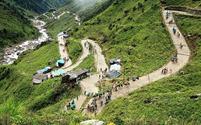
  • Kedarnath Trek: A 16-18 km trek from Gaurikund. Ponies and palkis (palanquins) are available at the base.

Essential Health & Packing Tips

The weather in the Himalayas is highly unpredictable. Even in May and June, temperatures can drop significantly at night.
  1. Health Advisory:
    • Acclimatization: Spend a day in Rishikesh or Joshimath to get used to the altitude.
    • Breathing: Practice Pranayama (breathing exercises) for 2-3 weeks before your trip.
    • Stay Hydrated: Drink plenty of water and carry ORS or glucose packets.
  2. Packing List:
    • Clothing: Heavy woolens, thermal inner-wear, and a high-quality raincoat or poncho.
    • Footwear: Sturdy trekking shoes with a good grip (avoid flat soles).
    • Medicine: Carry a basic first-aid kit, altitude sickness pills (consult your doctor), and any regular medications.
  3. Additional Travel Tips:
    • Start Early: Always leave your hotel by 6:00 AM to avoid mountain traffic and unpredictable afternoon weather.
    • Registration Check: Keep your QR-coded registration slip (digital or printed) handy at all times.
    • Cash is King: While UPI is growing, network issues are common in the mountains. Carry enough cash for local meals and pony rides.
    • Kedarnath Trek: If you aren't an experienced trekker, book a pony or palki in advance at Gaurikund to save your energy for the Darshan.

Char Dham Yatra 2026 Route Itinerary

This 10-day itinerary is designed to be well-paced, starting and ending in Haridwar orRishikesh. It follows the traditional clockwise route (Parikrama) to ensure you visit the shrines in the correct spiritual order.
Day 1

Haridwar / Rishikesh → Barkot

  • Drive from Haridwar or Rishikesh to Barkot (~220 km, 7-8 hrs).
  • En route: stop at Kempty Falls (optional).
  • Check-in at Barkot; acclimatise for Yamunotri trek next day.

Night Stay: Barkot

Day 2

Barkot → Yamunotri darshan → Barkot

  • Drive Barkot → Janki Chatti (~40 km).
  • Trek 6 km from Janki Chatti to Yamunotri temple (pony/palki available).
  • Darshan at Yamunotri; visit Surya Kund. Return to Janki Chatti and drive back to Barkot.

Night Stay: Barkot

Trek:Janki Chatti → Yamunotri → Janki Chatti
Day 3

Barkot → Uttarkashi

  • Drive Barkot → Uttarkashi (~100 km, 4-5 hrs).
  • Visit Kashi Vishwanath Temple at Uttarkashi.
  • Rest and prepare for Gangotri the next day.

Night Stay: Uttarkashi

Day 4

Uttarkashi → Gangotri darshan → Uttarkashi

  • Drive to Gangotri (~100 km). Darshan at Gangotri temple.
  • Visit Bhagirath Shila; collect Ganga Jal if desired.
  • Return to Harsil or Uttarkashi for night halt.

Night Stay: Harsil / Uttarkashi

Day 5

Uttarkashi → Guptkashi

  • Long drive (~220 km, 8-9 hrs) via Tehri / Rudraprayag.
  • En route: Triyogi Narayan Temple, Ukhimath (optional).
  • Check-in at Guptkashi; rest before Kedarnath trek.

Night Stay: Guptkashi

Day 6

Sonprayag → Gaurikund → Kedarnath

  • Drive to Sonprayag, then to Gaurikund (shared/private vehicle).
  • Trek 16-18 km from Gaurikund to Kedarnath (pony/palki/helipad options).
  • Darshan at Kedarnath temple; night stay at Kedarnath.

Night Stay: Kedarnath

Trek:Gaurikund → Kedarnath (16-18 km)
Day 7

Kedarnath → Gaurikund → Guptkashi

  • Early darshan (if not done on Day 6). Trek down to Gaurikund.
  • Drive Gaurikund → Guptkashi.
  • Night halt at Guptkashi.

Night Stay: Guptkashi

Trek Down:Kedarnath → Gaurikund
Day 8

Guptkashi → Joshimath / Badrinath

  • Drive via Rudraprayag, Karnaprayag, Nandprayag to Joshimath or Badrinath (~180-200 km).
  • En route: Panch Prayag (Vishnuprayag, Nandprayag, Karnaprayag, Rudraprayag, Devprayag).
  • Night at Joshimath or Badrinath depending on schedule.

Night Stay: Joshimath / Badrinath

Day 9

Badrinath darshan, Mana village

  • Bathe in Tapt Kund; darshan at Badrinath temple.
  • Visit Mana village (last village before Tibet), Vyas Gufa, Bhim Pul.
  • Drive back to Joshimath for night halt.

Night Stay: Joshimath

Day 10

Joshimath → Haridwar / Rishikesh

  • Drive Joshimath → Haridwar / Rishikesh (~270 km, 9-10 hrs).
  • En route: Jyotirmath, Devprayag (confluence of Alaknanda & Bhagirathi).
  • Trip concludes at Haridwar or Rishikesh.

Night Stay: Haridwar / Rishikesh
Char Dham Yatra Significance

The Char Dham Yatra is more than just a mountain trek; in Hindu philosophy, it represents the 'Path to Salvation' (Moksha). Completing this circuit is believed to wash away a lifetime of sins and release the soul from the cycle of birth and death.Here is the spiritual and historical significance of each temple, following the traditional route:
  1. Yamunotri: The Source of Purity:
    Dedicated to Goddess Yamuna, this is the first stop of the pilgrimage.
    • Spiritual Meaning: Yamuna is the daughter of the Sun God (Surya) and the sister of Yama (the God of Death). It is believed that anyone who bathes in the holy waters of the Yamuna is spared from a painful death and the judgment of Yama.
    • Unique Ritual: Pilgrims cook rice or potatoes in the boiling water of the Surya Kund (a natural hot spring). This "Prasad" is then offered to the deity and taken home as a symbol of the Goddess's warmth and sustenance.
  2. Gangotri: The Descent of the Holy River:
    Dedicated to Goddess Ganga, this shrine marks the spot where the river touched the earth.
    • Spiritual Meaning: According to legend, King Bhagirath performed intense penance here to bring the Ganges down from heaven to purify the souls of his ancestors. To prevent the earth from shattering under the river's force, Lord Shiva caught the Ganga in his matted hair.
    • Unique Ritual: Devotees collect "Ganga Jal" (holy water) from here to take back to their homes. The stone where King Bhagirath is said to have meditated, the Bhagirath Shila, sits near the temple.
  3. Kedarnath: The Land of Lord Shiva:
    Dedicated to Lord Shiva, this is the most remote and spiritually intense of the four Dhams.
    • Spiritual Meaning: Kedarnath is one of the 12 Jyotirlingas and is deeply connected to the Pandavas from the Mahabharata. Seeking atonement for the sins of war, the Pandavas followed Shiva to the Himalayas. Shiva took the form of a bull to hide, and his "hump" is worshipped here as the triangular stone lingam.
    • Unique Ritual: It is considered the highest of the Shiva temples. The atmosphere here is centered on Vairagya (detachment from the material world) and deep meditation.
  4. Badrinath: The Abode of Lord Vishnu:
    Dedicated to Lord Vishnu, this is the final destination and the only Dham that is also part of the "Greater Char Dham" of India.
    • Spiritual Meaning: It is believed that Lord Vishnu meditated here for thousands of years in extreme cold. His consort, Goddess Lakshmi, took the form of a Badri (Ber) tree to shade and protect him from the elements.
    • Unique Ritual: Before entering the temple, pilgrims must bathe in the Tapt Kund, a sulfurous hot spring that is said to have medicinal properties. Badrinath represents Preservation and the ultimate union with the Divine.

BOOK ONLINE

13 May
Wed
14 May
Thu
15 May
Fri
Reporting Time:
(Tentative Time)
10:00 AM
Price per person
0/-
Number of person
-
0
+
Grand Total
 
0/-
Check Availability

Fairly Asked Questions

Some of the common questions asked related to Char Dham Yatra 2026

Is registration mandatory for 2026?
Is there any fee for registration?
How do I show my permit during the trip?
Is there an age limit for the Yatra?
Do I need a medical certificate?
What if I feel breathless at Kedarnath?
Where can I book Kedarnath helicopter tickets?
Is weight a factor for helicopters?
When is the best time to avoid crowds?
Is it safe to travel during the monsoon?
Are ATMs available?
Which mobile network works best?